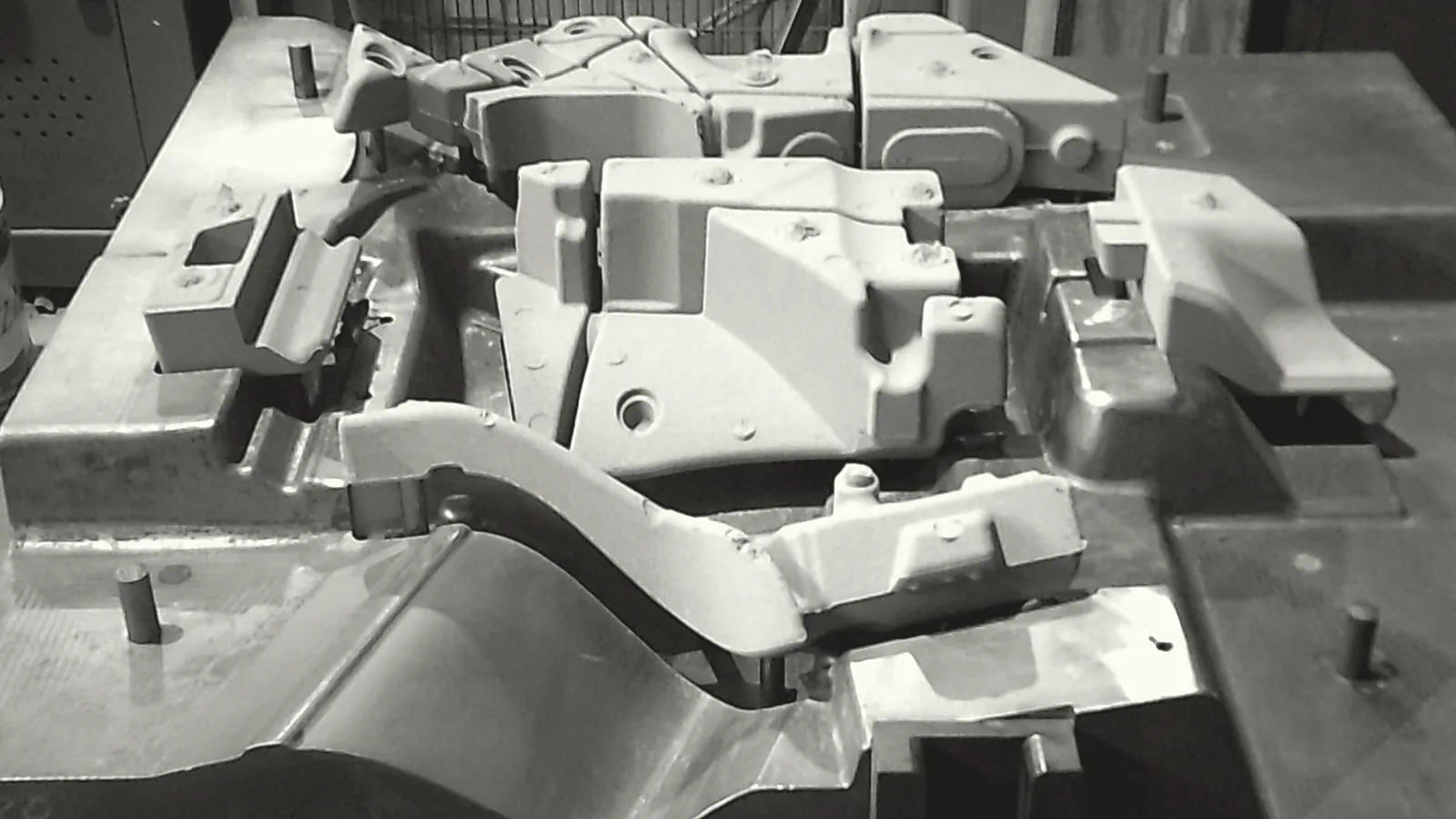
Inorganic cores
Inorganic cores. No organic resins.
Less gas at pour, better air in the foundry, casting quality comparable to Cold-Box. The technology the European Union points to as reference for binders.
Why inorganic
- 01
Emissions
The inorganic binder contains no organic resins: at pour it does not generate the fumes and condensates typical of organic systems.
- 02
Working environment
Less odour and fewer emissions in pouring and fettling. A concrete gain for people working in the foundry.
- 03
Regulation
The EU BAT conclusions for foundries and forges (Decision EU 2024/2974) list inorganic binders among the reference techniques for emission reduction.
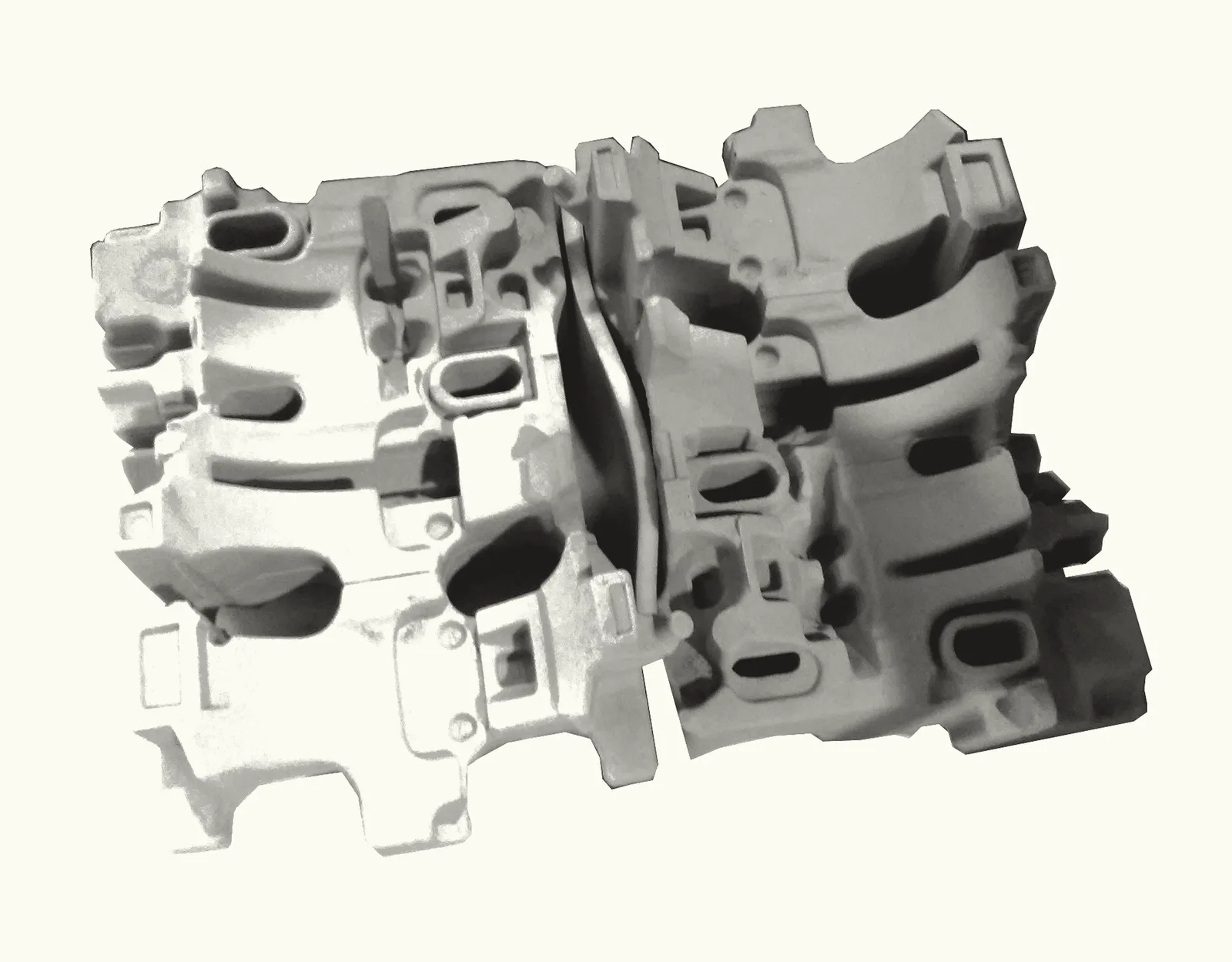
What changes for the foundry
What changes for the foundry
- Fewer condensates on dies and tooling: fewer cleaning stops.
- Fewer gas defects in the casting: less scrap.
- Cleaner shop, less fume treatment.
- Cores compatible with aluminium and iron casting processes.
Field proof
In the EU Greenfoundry LIFE project, 2VI supplied inorganic cores (approx. 3 kg) for a production-scale test series at Fonderie di Assisi, on iron and steel automotive castings. Recorded result: quality comparable to Cold-Box and significantly reduced gas formation.
Source: greenfoundry-life.com, full production-scale test series
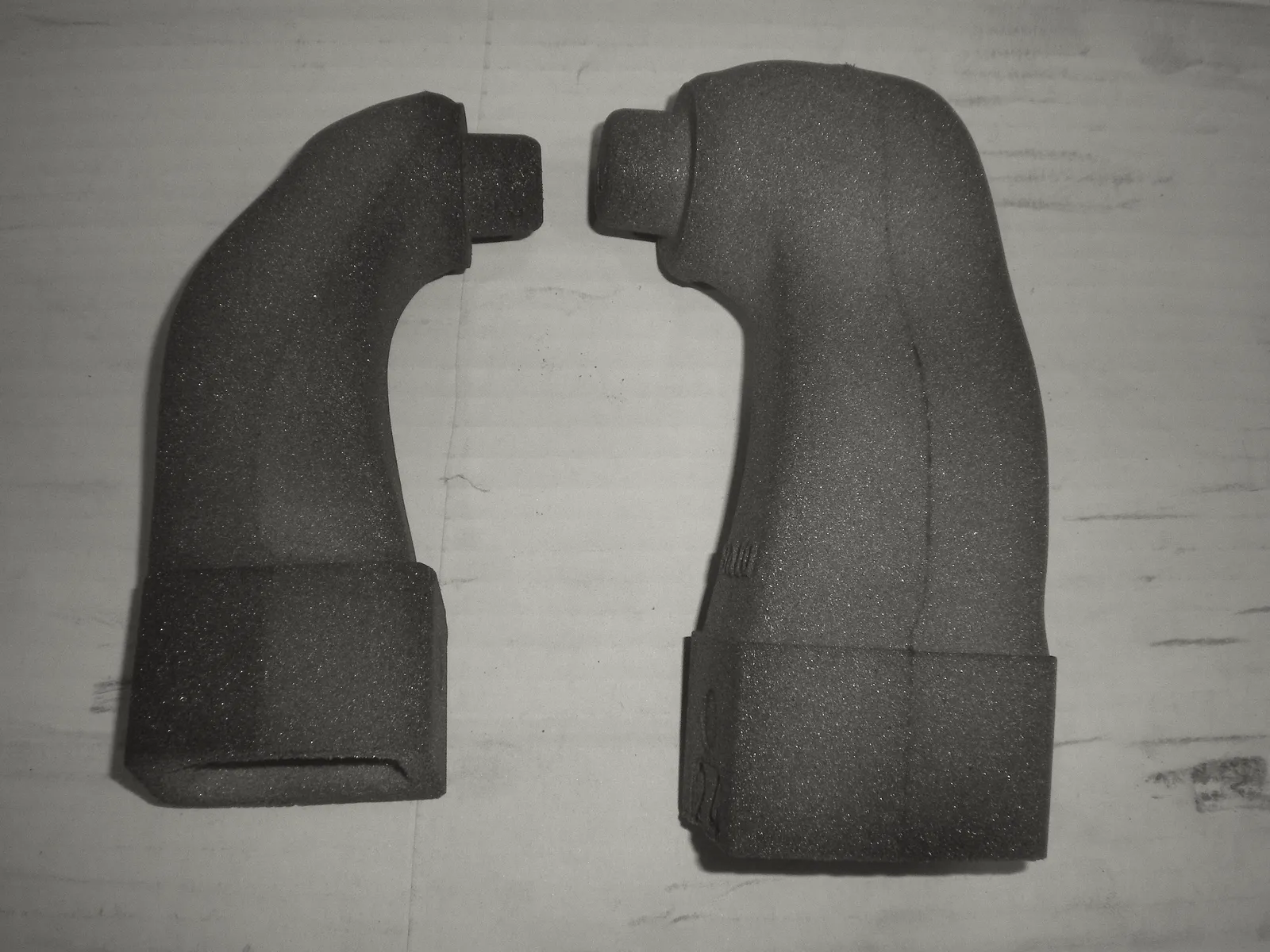
Converting from organic to inorganic
Converting from organic to inorganic
We walk the foundry through the switch: casting analysis, binder system selection, sampling, trial pour, series. Without stopping current production.
Application data
- Casting alloys
- Aluminium · Iron
- Volume
- From prototype to high volume
- Applications
- Heads and water jackets, turbochargers, hydraulics, brakes, gearbox and engine
- Quote
- Reply within 2 working days
The binder system is selected per application and shared at technical stage.
Send us your drawing.
Send us drawing, alloy and quantities. We reply within 2 working days with a technical proposal.